
The stages of saffron production and its growth cycle:
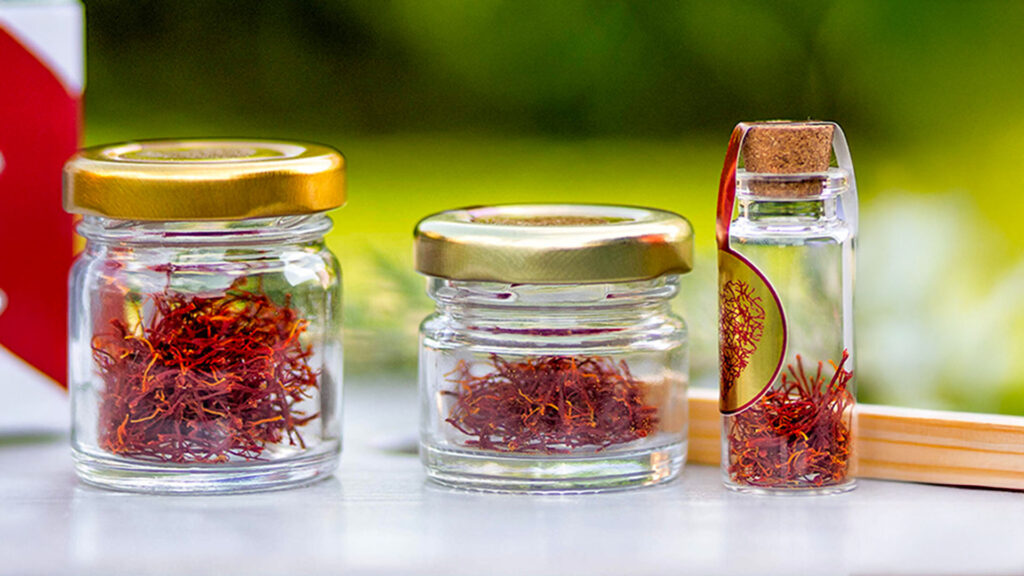
The growth cycle of the saffron plant (or Crocus sativus)
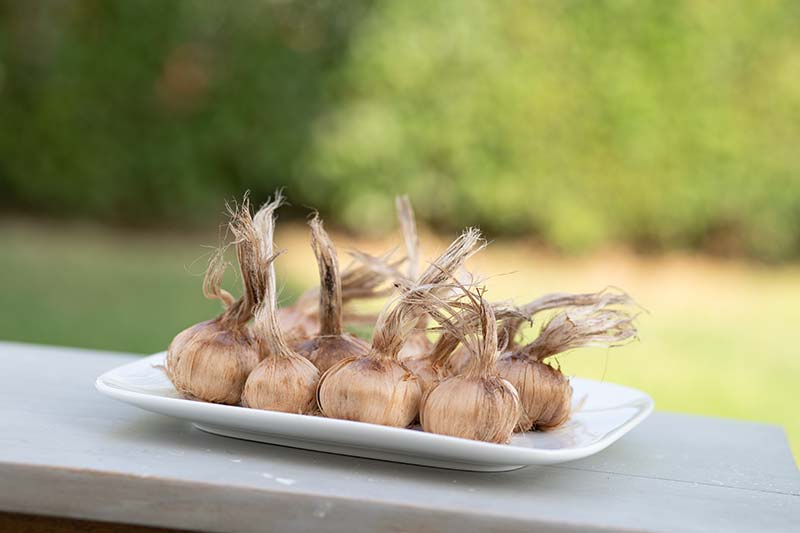
1 – The bulb (or corm): planting (June–August)
At the start of its growth cycle, the saffron plant takes the form of a bulb. It is at this stage that the young bulbs are placed and planted in the ground in long furrows specially dug for this purpose.
2 – Bulb activation (September–October)
The planted bulbs produce a shoot or sprout that emerges from the ground. The sprout consists of long, slender leaves enclosed in a white membrane. As the days pass, the leaves elongate and unfurl, leaving space in the centre for the subsequent flowering.
3 – Flowering (October – November)
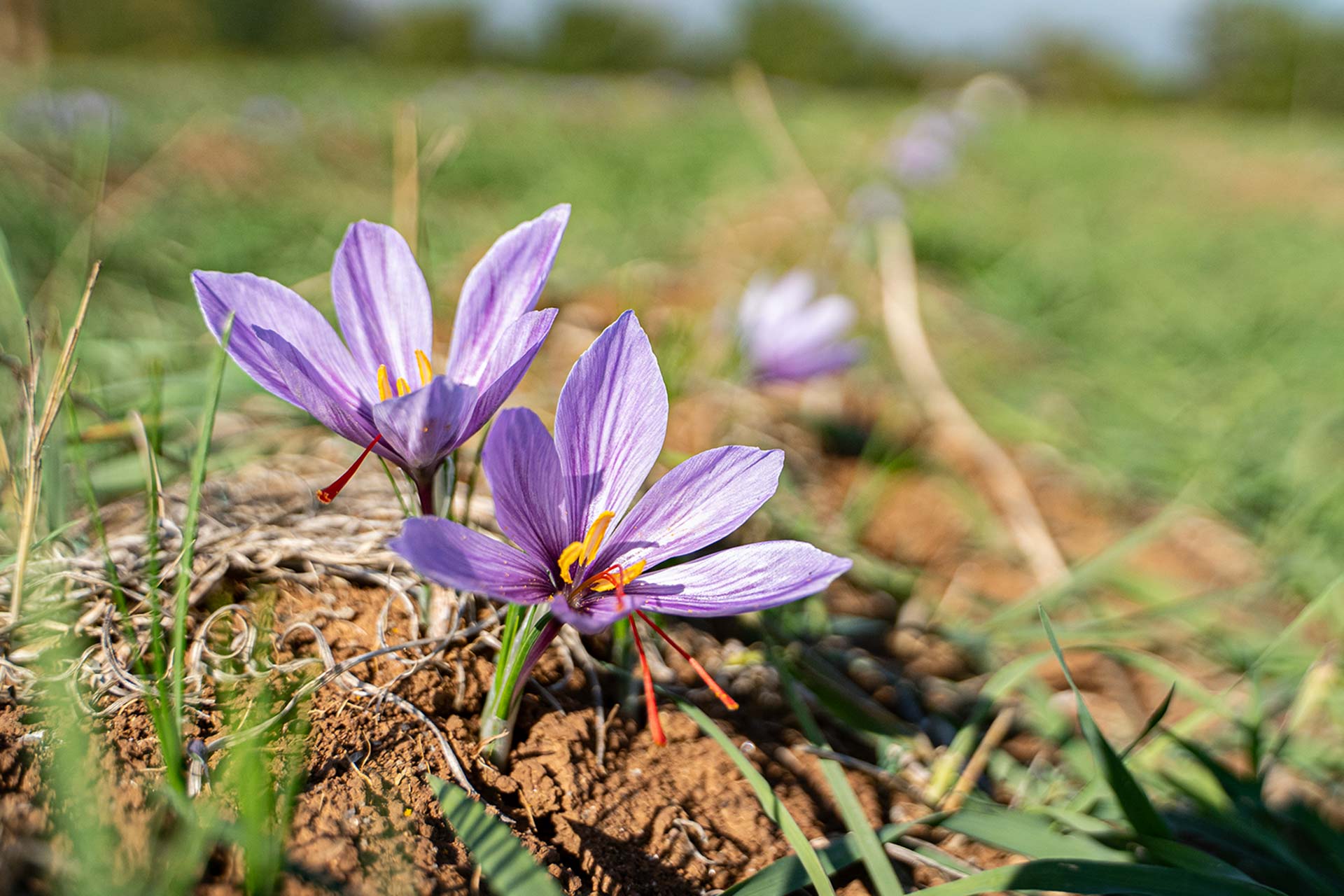
The mature saffron flower has: six purple petals, three yellow anthers, and three precious red stigmas.
4 – Vegetative growth of the plant (December – March)
Even after the flowers have been harvested, the leaves continue to grow. Their photosynthetic activity and the nutrients from the mother bulb lead to the formation of new bulbs in the soil.
Bulb harvesting – Zafaranepi Farm
5 – Maturation of the bulbs and their harvesting (April – June)
When the leaves dry out, we can be sure that the corms in the soil are ready for harvesting. May–June is the best time to ensure successful harvesting. Once harvested, the young bulbs are disinfected with copper sulphate solution and stored in a dry, cool, dark place until they are planted.
Stages of saffron production: planting the bulbs annually or as a perennial
The cultivation of the saffron plant begins with planting the bulbs in soil that has been properly tilled, is well-drained and not too damp. At Zafaran Nepi, we use only certified organic fertiliser to enrich our soil with nutrients beneficial to Crocus sativus.
The first decision to make when growing saffron concerns the length of the cycle: one can opt for annual cultivation or choose perennial cultivation. We have opted for perennial cultivation to achieve better productivity.
The soil is tilled to prepare it for the saffron bulbs
The sowing operators also load the bulbs
into the hopper manually
In annual cultivation, the bulbs remain in the ground for just one year. At the end of the first growing season, the corms are completely dug up by June, and replanting takes place in August–September.
In perennial cultivation, however, the bulbs remain in the ground for more than one growing season – that is, for at least two years – and are completely dug up in the third year.
Stages of saffron processing: harvesting the flowers
Harvesting saffron flowers
At Zafaran Nepi, we are engaged in the manual harvesting of saffron flowers for around three weeks. We begin harvesting in the early hours of the morning to ensure that the stigmas retain their organoleptic properties.
Stages of saffron processing: separating the stigmas from the flowers
The harvested flowers are taken to the ‘separating’ area, where the manual removal of the stigmas from the rest of the flower begins. We rely on the meticulous and careful work of many women who, once the flowers have been laid out on large tables, carry out their patient work by hand.
Each flower contains three red stigmas joined at the base. As the Italian Consortium of Saffron Producers recommends, stigmas that remain joined are of the highest quality; therefore, taking great care, only the white/yellow part attached to them is separated, whilst keeping the stigmas joined.
The other parts of the flower (petals and anthers) can be returned to the field to serve as food for bees, thereby helping to fertilise the field itself, or they can be used in various recipes to make jams or other products.
The manual removal of stigmas
from the saffron flower
Stages of saffron processing: drying the stigmas
Drying the stigmas using
certified dryers specifically designed for spices
Once the stigmas have been placed on the racks, the drying process begins. This must take place on the same day as the flowers are picked (harvesting), to prevent the saffron threads from losing their quality.
The stigmas can be dried in various ways:
- The most common method involves placing them on a rack and leaving them to dry in a standard oven at a temperature of around 45–50 degrees, with the door left open. The temperature may vary slightly depending on the type of oven and the quantity being processed at any one time. The saffron is dry when it feels ‘crunchy’: the stigmas then appear a vibrant red colour with dark orange tips;
- another method, the one we have chosen, involves the use of certified spice-specific dryers, which guarantee perfect drying.
Stages of saffron processing: preservation, storage and packaging of the spice
Once the drying process is complete, we store the saffron threads for several months in airtight containers, such as well-sealed tin boxes, or preferably in glass jars. We keep them in a cool, dry and dark place. Once the necessary time has elapsed, the saffron will be ready for use and packaging.
Before it is released onto the market, we subject the product to quality tests in specialist laboratories to ensure that all the organoleptic properties of our saffron meet our expectations and that the product is of the highest quality.
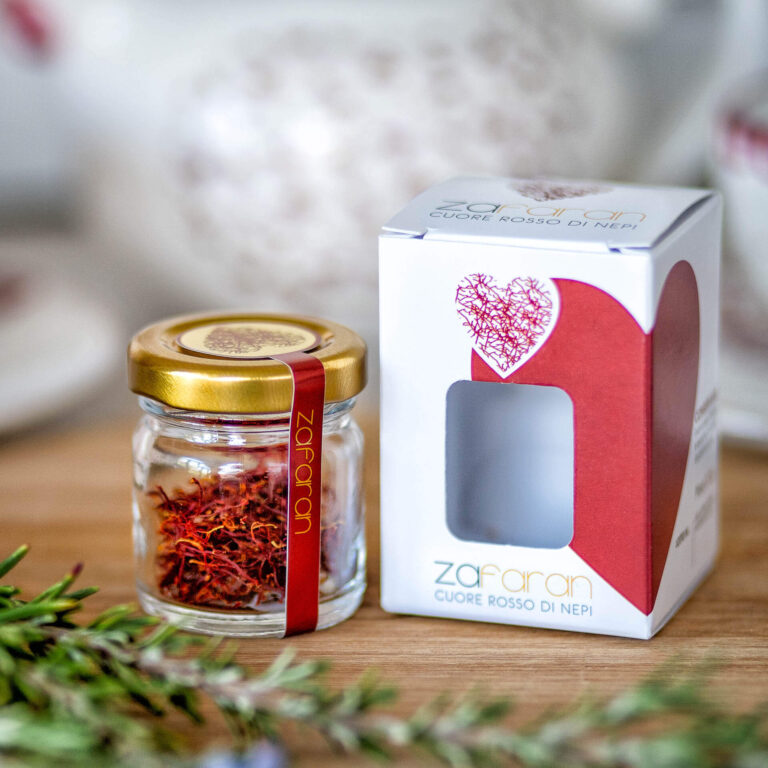
Our products
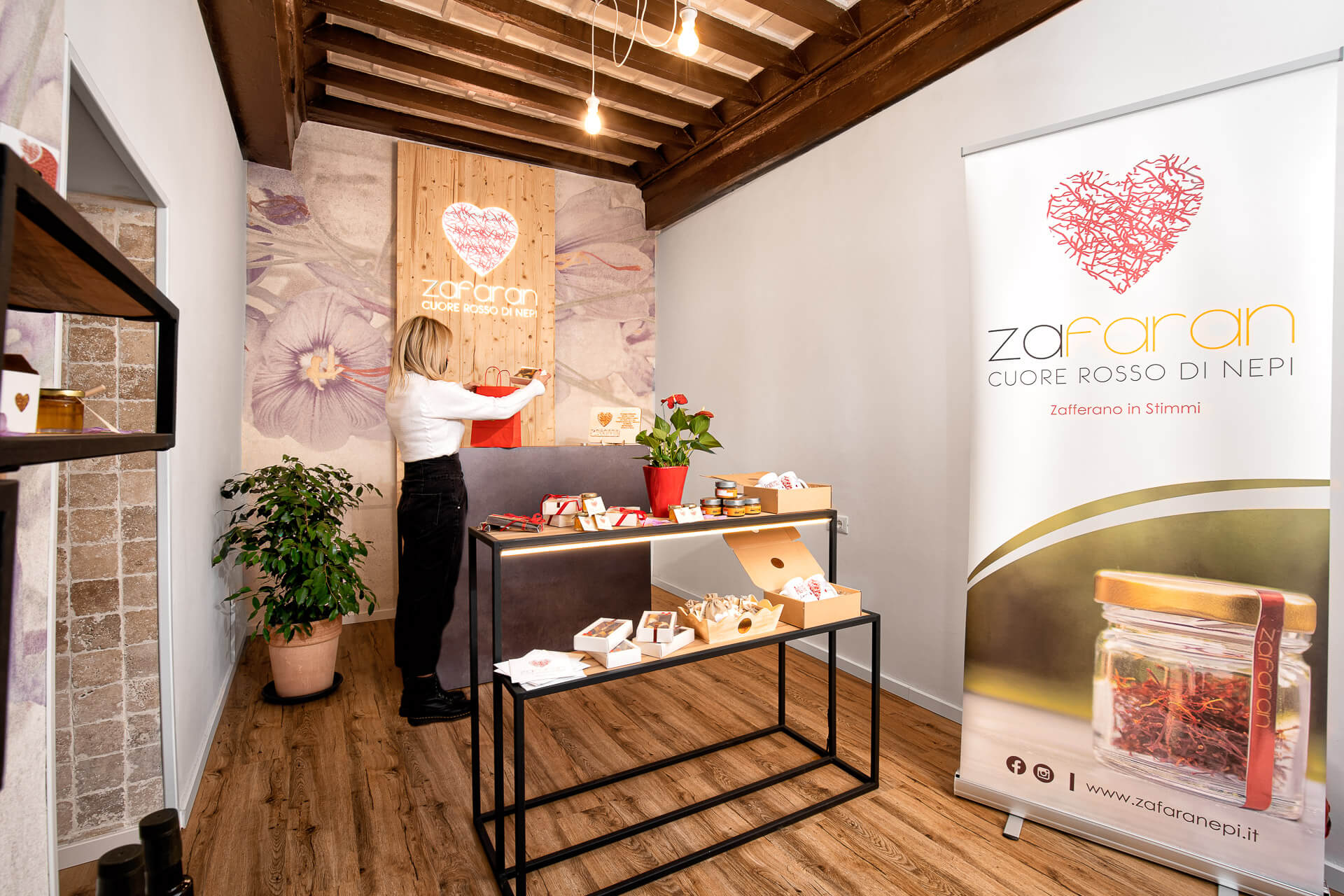
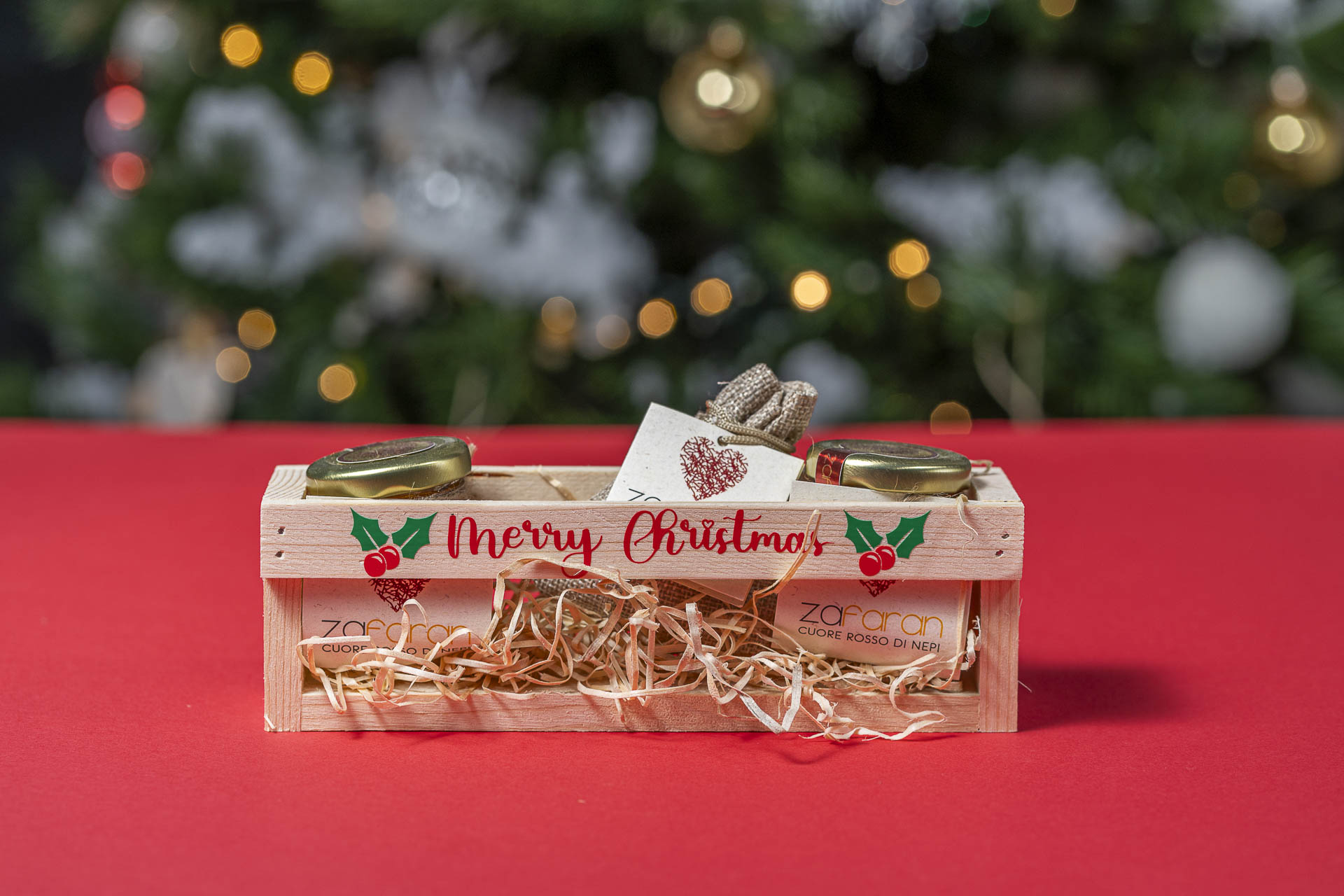
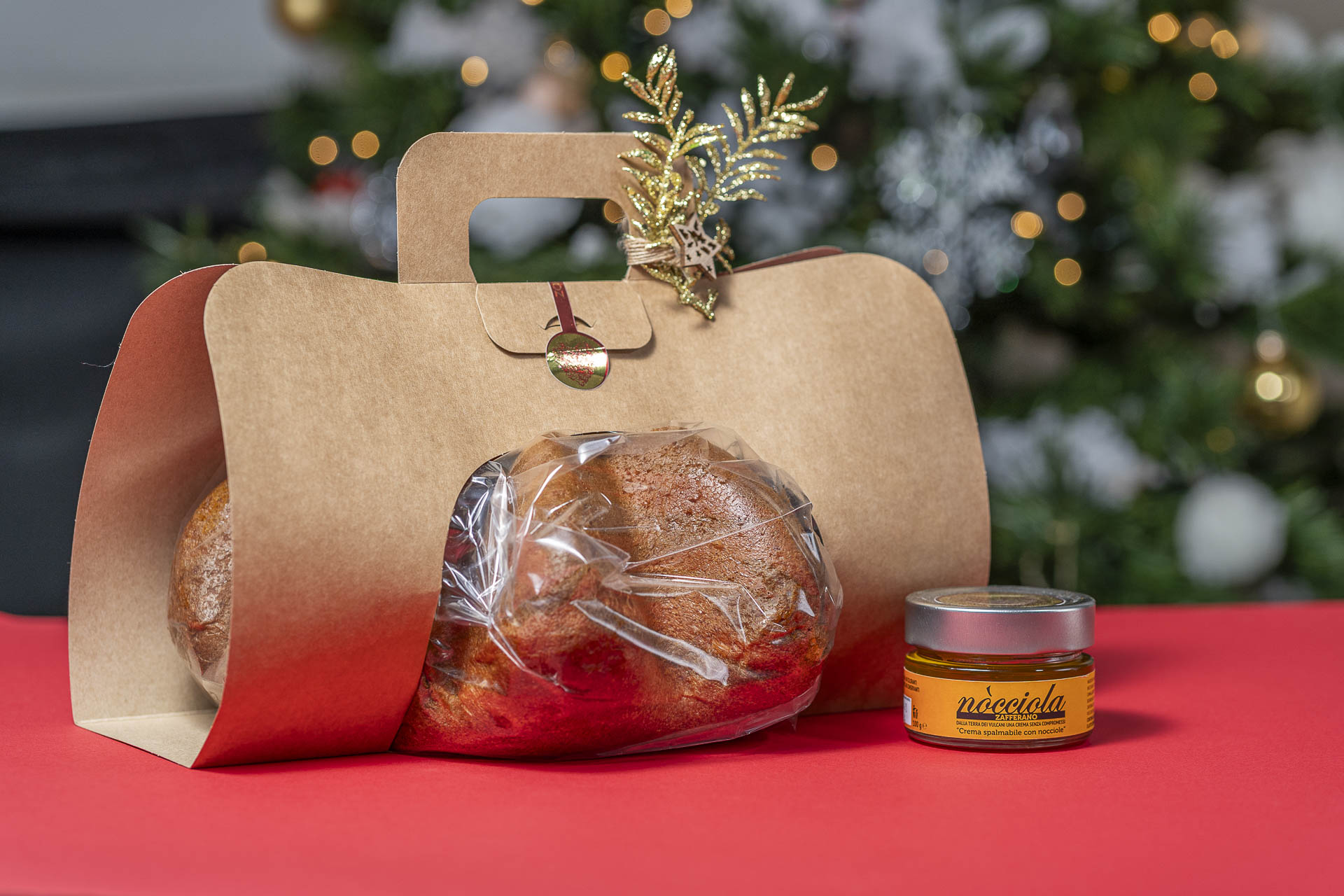
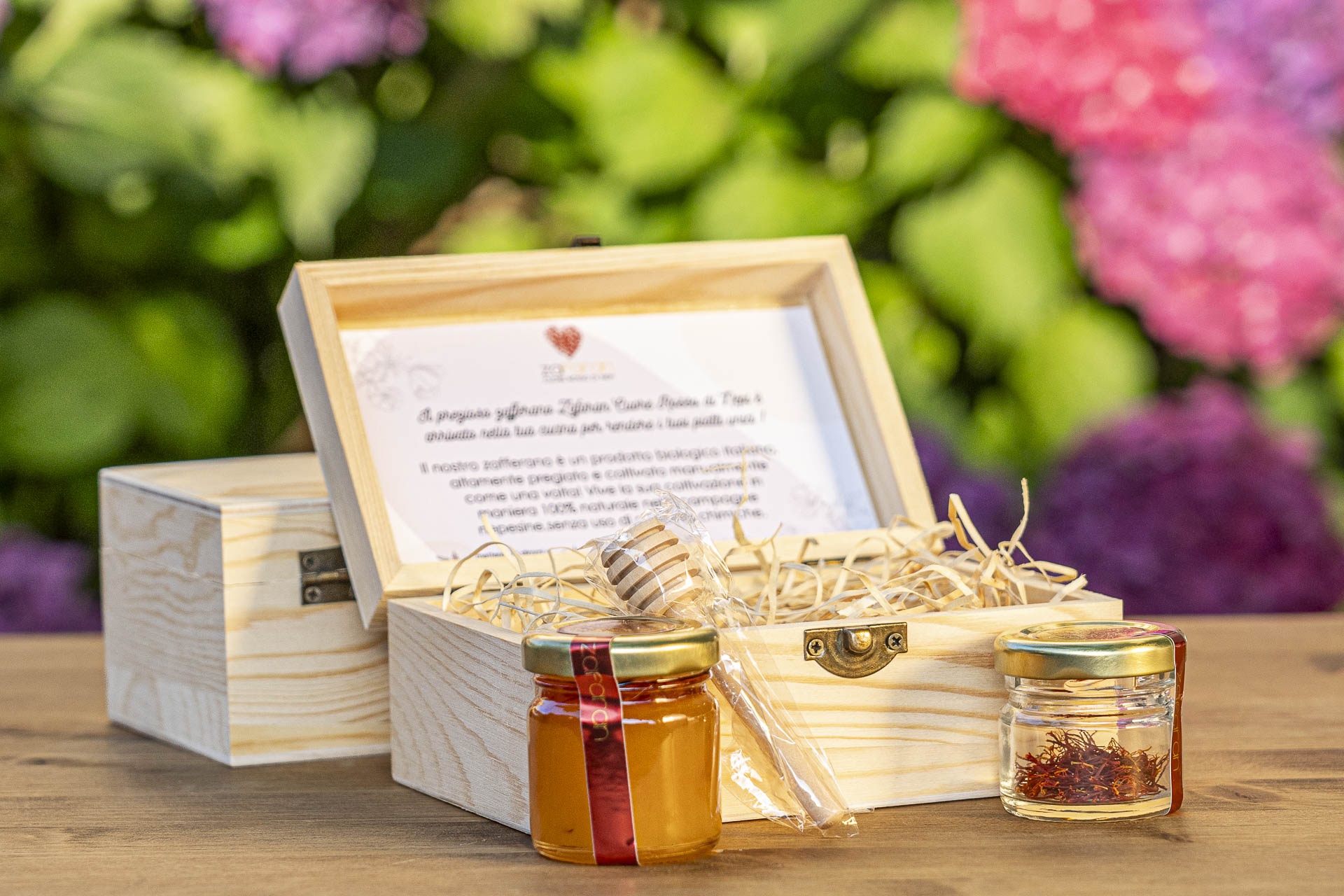
We produce our saffron using certified organic methods and, in collaboration with our partners, use it to make:
- saffron and almond panettone;
- 0.2g organic saffron Christmas bauble;
- Christmas gift set with acacia honey and clover honey flavoured with saffron;
- 80g hazelnut gianduiotto with organic saffron;
- hazelnut nougat with saffron stigmas;
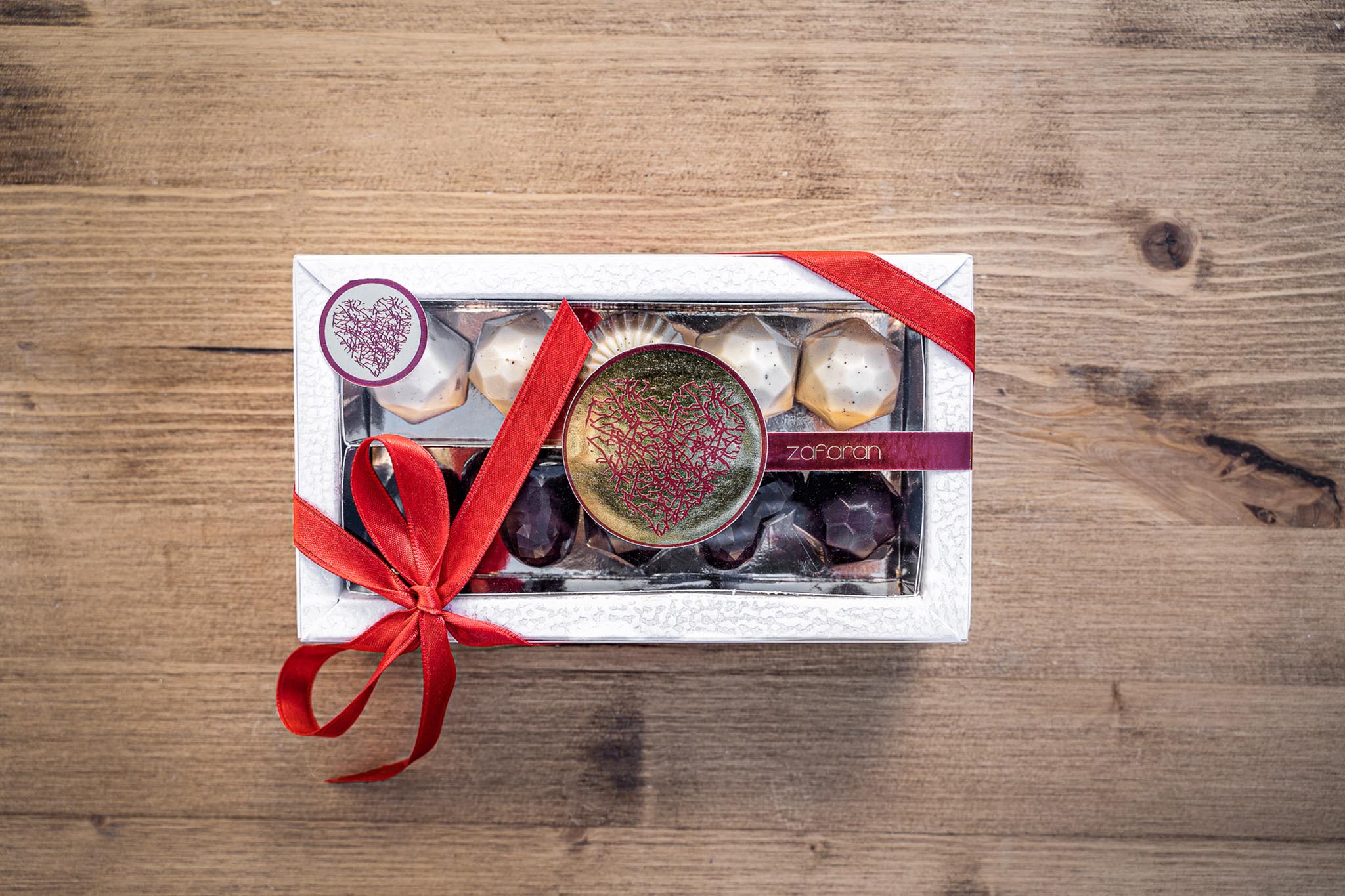
- hazelnut chocolates with organic saffron;
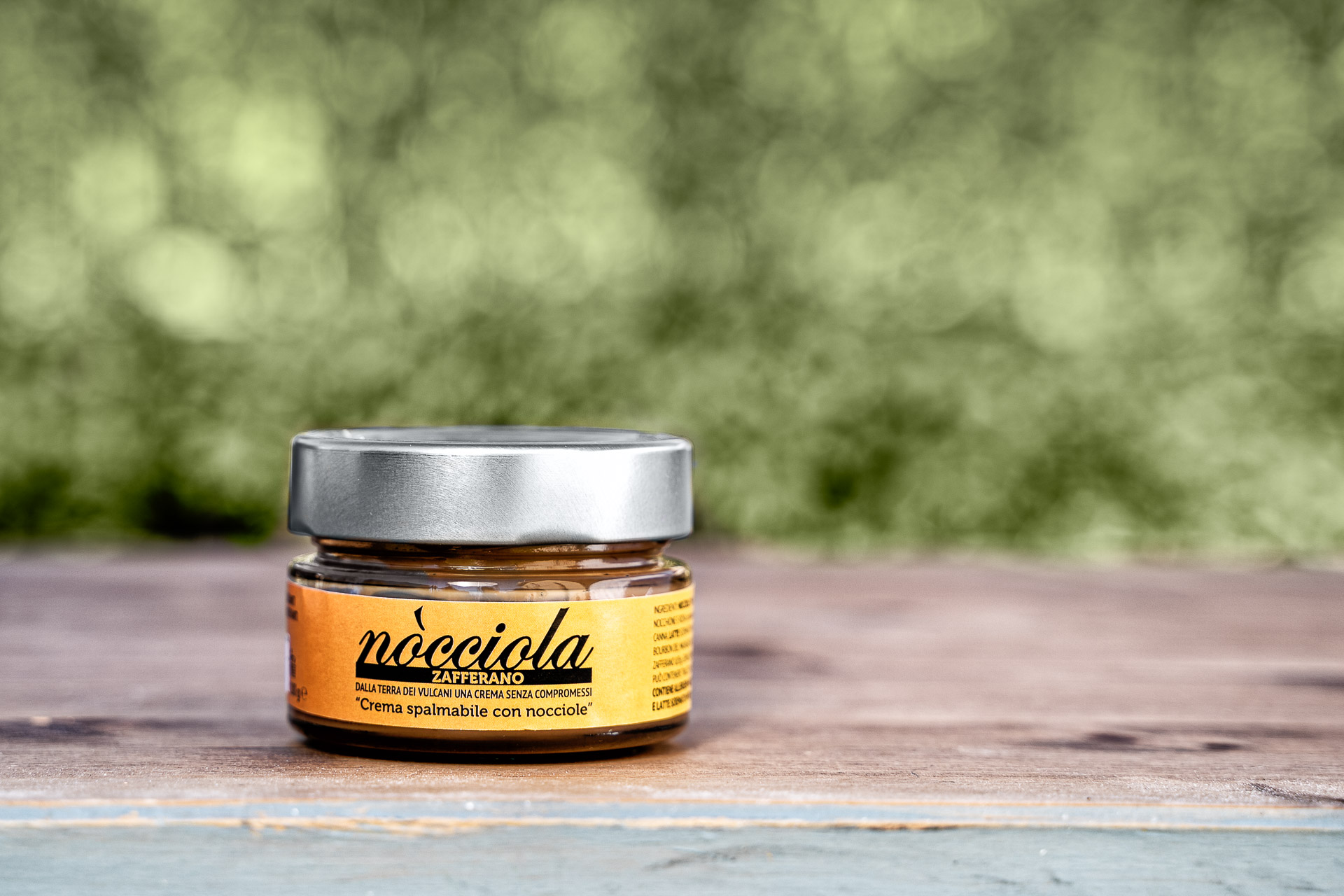
- 100g hazelnut and saffron spread;
- platter with hazelnut nougat and 0.2g vial
- organic saffron stigmas 1g;
- organic saffron stigmas 0.5g;
- organic saffron-flavoured acacia honey 40g;
- gift box: 0.3g of saffron and 40g of saffron honey;
- organic clover honey with saffron 50g;
- gift box: 0.5g of saffron and 40g of saffron honey;
- organic acacia honey with saffron 250g;
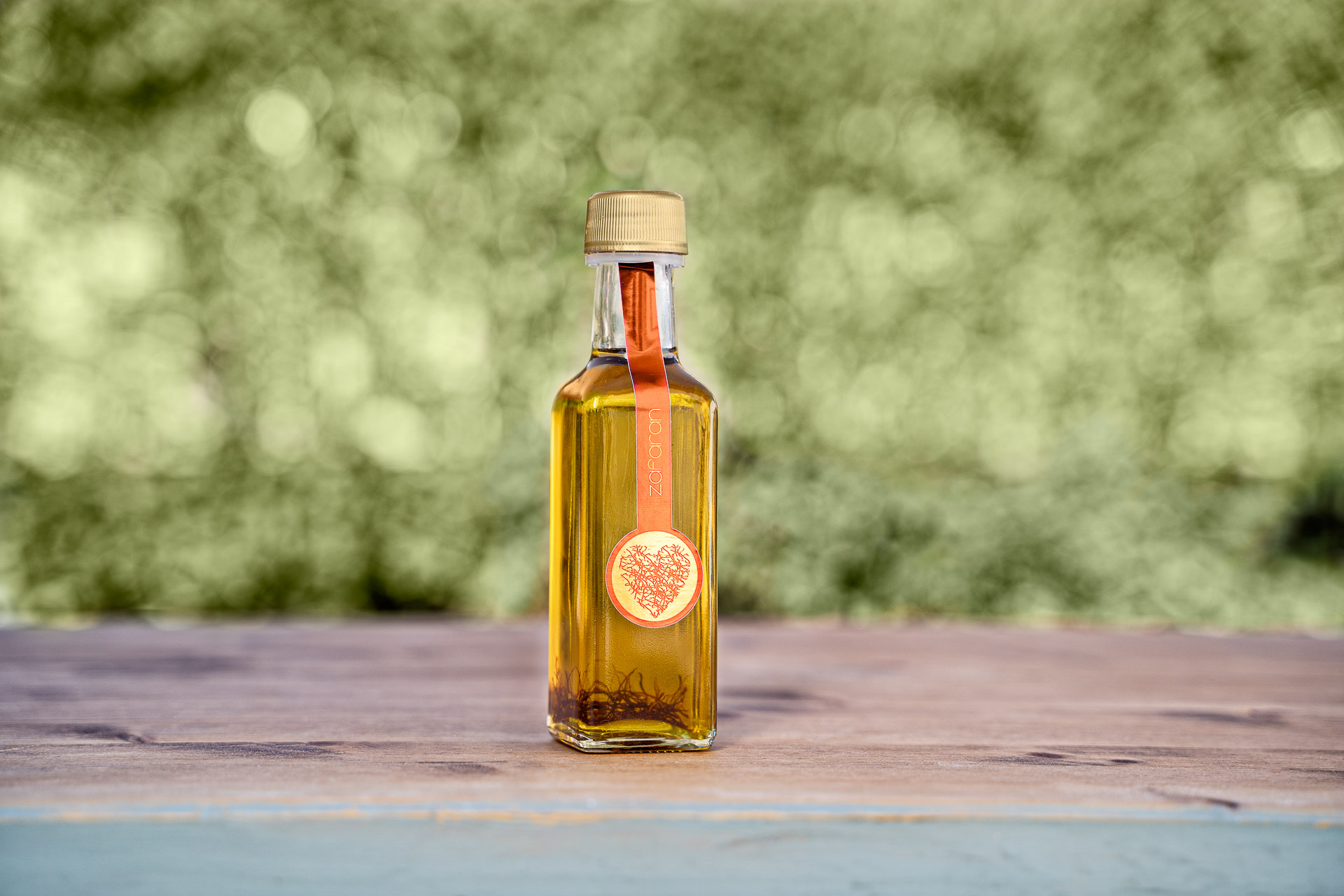
- extra virgin olive oil flavoured with saffron;
- box: 1 g of saffron and 40 g of saffron honey;
- organic saffron clover honey 250 g;
- organic saffron stigmas 0.2 g;
- organic saffron stigmas 0.3 g;
- organic saffron bulbs (Crocus sativus)
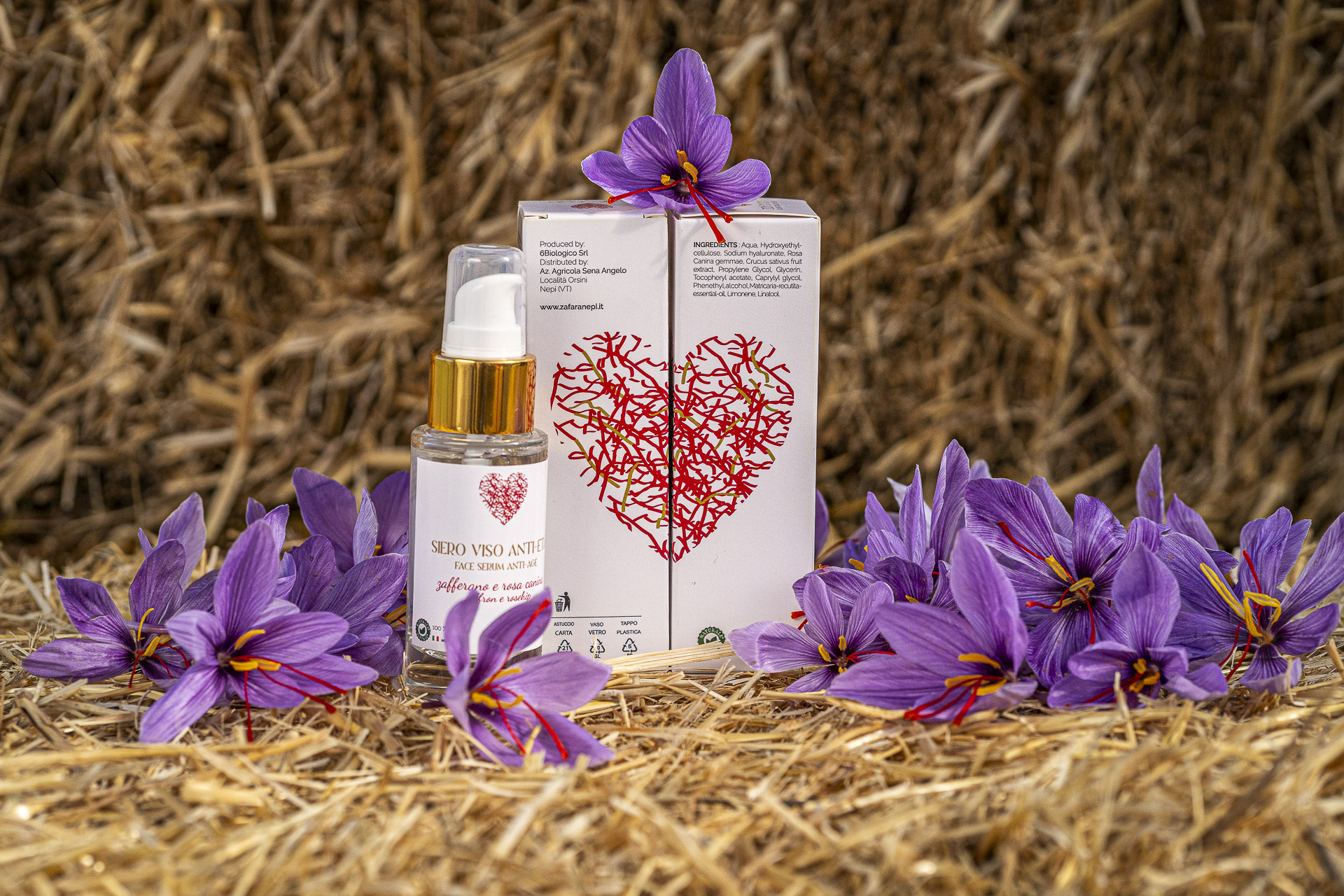
- moisturising and anti-ageing face creams
- …